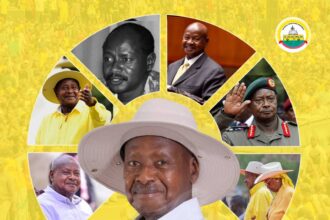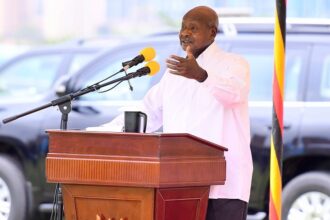


PDM stands for Parish Development Model. It’s a strategic approach aimed at transforming Uganda’s socio-economic landscape by empowering local communities and promoting inclusive growth. President Yoweri Museveni is emphasizing the use of the Parish Development Model (PDM) in Uganda because it’s a key strategy for achieving wealth creation and employment generation at the parish level, which is considered the lowest economic planning unit. The PDM aims to move Ugandans from subsistence to commercial agriculture and other income-generating activities. The president believes the PDM is divinely ordained and a crucial step towards poverty eradication and economic transformation.
There are key objectives that President Museven arbitrary keeps basing on to emphasize the importance and values of the Parish Development Model. Poverty eradication is one of them. It will lift a million Ugandans out of poverty by providing access to financial services, support and resources. The parish development model will lead to economic growth, increasing economic activity at the grassroots level, improving livelihoods, and promoting entrepreneurship and financial inclusion. It also leads to community empowerment, which fosters ownership and accountability.
It provides access to affordable financial services and support to households and small-scale enterprises. PDM also offers training and capacity-building programs to enhance skills and knowledge. It facilitates access to markets, finance, and technical support to promote economic growth.
PDM is being implemented across Uganda, with a focus on parish-level development. The model aims at transforming Subsistence Farming to commercial agriculture, increasing production and exports. It will also encourage entrepreneurship and small-scale industries, contributing to economic growth and job creation. PDM has the potential to transform Uganda’s socio-economic landscape. It aims at reducing poverty, increasing income and improving livelihoods. It will also promote economic growth by increasing economic activity at the grassroots level. It will empower local communities to take charge of their developments
There are steps of the parish development model to be considered: Potential beneficiaries are identified and selected at the parish level. They then receive training and capacity-building programs to enhance their skills and knowledge. These beneficiaries are provided with access to affordable financial services, such as loans and savings. When they have been given access to financials they select enterprises or projects to invest in, such as agriculture, livestock, or small-scale industries. Finally, they receive ongoing support and monitoring to ensure the success of their enterprises.
Implementation Structure: PDM is implemented at the parish level, with a focus on community-led development. The communities are actively involved in the planning and implementation of PDM projects. The government provides support and resources to facilitate the implementation of PDM.
The PDM goal is to reduce poverty by increasing income and improving livelihoods, promote economic growth by increasing economic activity at the grassroots level, empower local communities to take charge of their development. By providing access to financial services, training, and support, PDM aims to transform the lives of Ugandans and promote sustainable development.
The Parish Development Model (PDM) in Uganda aims to increase household incomes and improve the quality of life for Ugandans by transforming subsistence farming into a money-generating economy. Key benefits include financial inclusion through Parish Revolving Funds, enhanced agricultural productivity, and better access to social services like healthcare and education. The PDM also focuses on mindset change and strengthening local governance.
In conclusion, PDM will lift millions of Ugandans out of poverty by increasing income and improving living livelihoods. While challenges and limitations exist, PDM’s potential to transform Uganda’s economy and improve the lives of citizens makes it an important initiative worth implementing and supporting.